Liechtenstein Flag Meaning
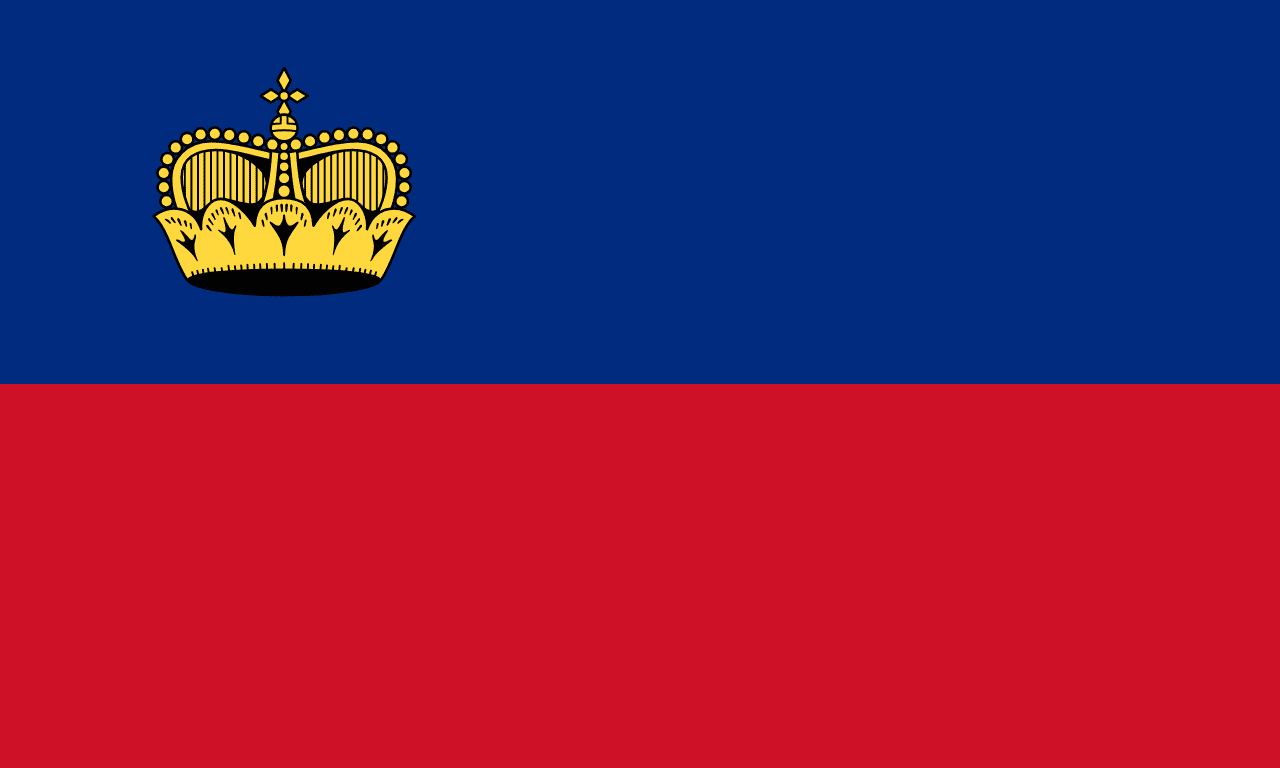
Two horizontal stripes of blue and red with a golden crown in the upper left corner, representing this Alpine principality that is one of the world's smallest and wealthiest nations.
- Continent
- Europe
- Adopted
- 1937
- Ratio
- 3:5
- Colors
- blue, red, gold
Symbolism
- Blue Stripe
- Represents the clear blue skies over the Alps and the Danube River that flows along Liechtenstein's eastern border, symbolizing the country's alpine location and natural beauty.
- Red Stripe
- Symbolizes the fires lit in evening hearths throughout the principality, representing the warmth of home, community spirit, and the unity of the Liechtenstein people.
- Golden Crown
- Represents the constitutional monarchy and the House of Liechtenstein, symbolizing the prince's sovereignty and the stability provided by the princely rule over this alpine nation.
- Alpine Identity
- The colors reflect Liechtenstein's position in the heart of the Alps between Austria and Switzerland, representing its mountain heritage and central European identity.
- Royal Heritage
- The crown emphasizes Liechtenstein's status as one of the few remaining principalities in the world, where the Prince of Liechtenstein maintains significant constitutional powers.
History
- 1719: The Principality of Liechtenstein was created when Emperor Charles VI combined the counties of Vaduz and Schellenberg under Prince Anton Florian of Liechtenstein.
- 1806-1815: Liechtenstein became a sovereign state during the Napoleonic period and joined the Confederation of the Rhine, establishing its independence from the Holy Roman Empire.
- 1921: Liechtenstein adopted its first constitution and began using a blue and red horizontal bicolor flag without the crown, similar to several other European flags.
- 1936 Olympics: At the Berlin Olympics, Liechtenstein discovered that Haiti used an identical flag design, creating confusion and the need for a distinguishing element.
- June 24, 1937: To distinguish their flag from Haiti's identical design, Liechtenstein added the golden crown to the upper left corner, creating the current unique flag design.
- 1938-1945: During World War II, Liechtenstein remained neutral, and the flag served as a symbol of the principality's sovereignty and independence despite its small size.
- 1990-Present: As Liechtenstein developed into a major financial center and one of the world's wealthiest countries per capita, the flag gained international recognition in business and diplomatic circles.
Trivia
- Liechtenstein added the golden crown to its flag in 1937 after discovering Haiti used an identical blue and red design at the 1936 Berlin Olympics.
- Liechtenstein is one of only two doubly landlocked countries in the world (the other being Uzbekistan), completely surrounded by landlocked Austria and Switzerland.
- The flag represents one of the world's smallest countries with only 160 square kilometers (62 square miles) and a population of about 39,000 people.
- Prince Hans-Adam II of Liechtenstein is one of the wealthiest monarchs in the world, and the flag represents a country where the royal family owns significant private wealth.
- Liechtenstein has no military and relies on Switzerland for defense, making the flag a symbol of peaceful neutrality and international cooperation.
- The flag appears on Swiss franc banknotes and coins used in Liechtenstein, as the country uses Swiss currency due to its customs union with Switzerland.
- Liechtenstein is the only country named after the family that purchased it, with the House of Liechtenstein buying the territory to gain a seat in the Imperial Diet.
- The flag represents a country with one of the world's lowest crime rates, where the Prince of Liechtenstein can theoretically veto any law passed by parliament.
- Vaduz Castle, where the Prince resides, overlooks the capital and is one of the few places where a reigning prince still lives in his ancestral castle.
- The flag appears on Liechtenstein's distinctive triangular postage stamps, which are popular with collectors worldwide and provide significant revenue for the country.
- Liechtenstein didn't join the United Nations until 1990, making it one of the last European countries to become a UN member, despite its long independence.
- The flag represents a country where false teeth are a major export, with Liechtenstein being home to one of the world's largest dental equipment manufacturers.
- Liechtenstein has more registered companies than citizens, making the flag a symbol of the country's role as a business and financial center.
- The Prince of Liechtenstein has the constitutional right to dissolve parliament and rule by decree, making it one of the few remaining absolute monarchies in practice.
- The flag flies over a country so small that the entire nation can be rented for corporate events for about $70,000 per night, including temporary sovereignty.
Related Countries
Switzerland
Europe
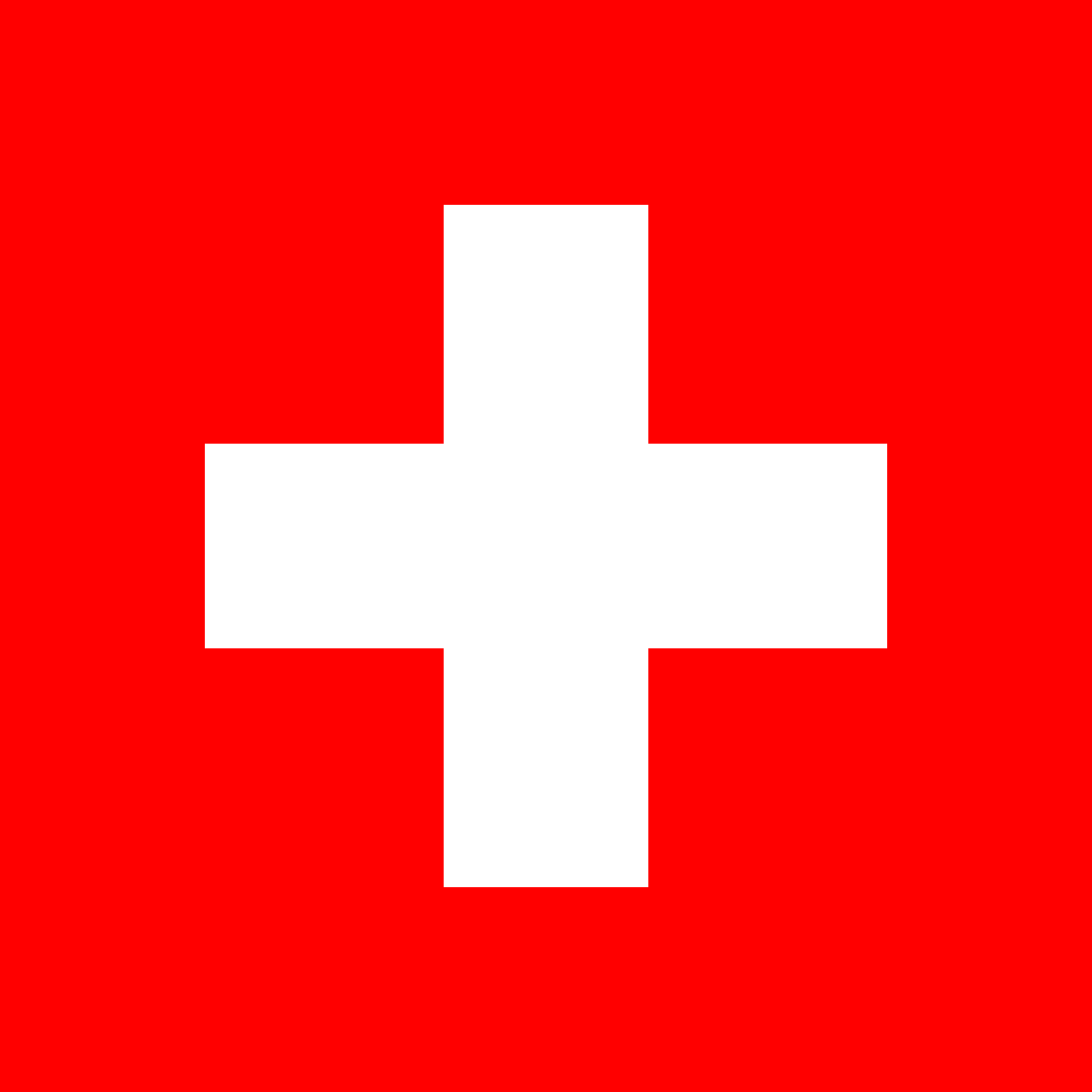
A red square field with a white Greek cross in the center, representing the Christian faith that united the early Swiss cantons and the blood shed in defense of freedom, with origins dating back to the Holy Roman Empire and medieval Swiss military banners.
Austria
Europe
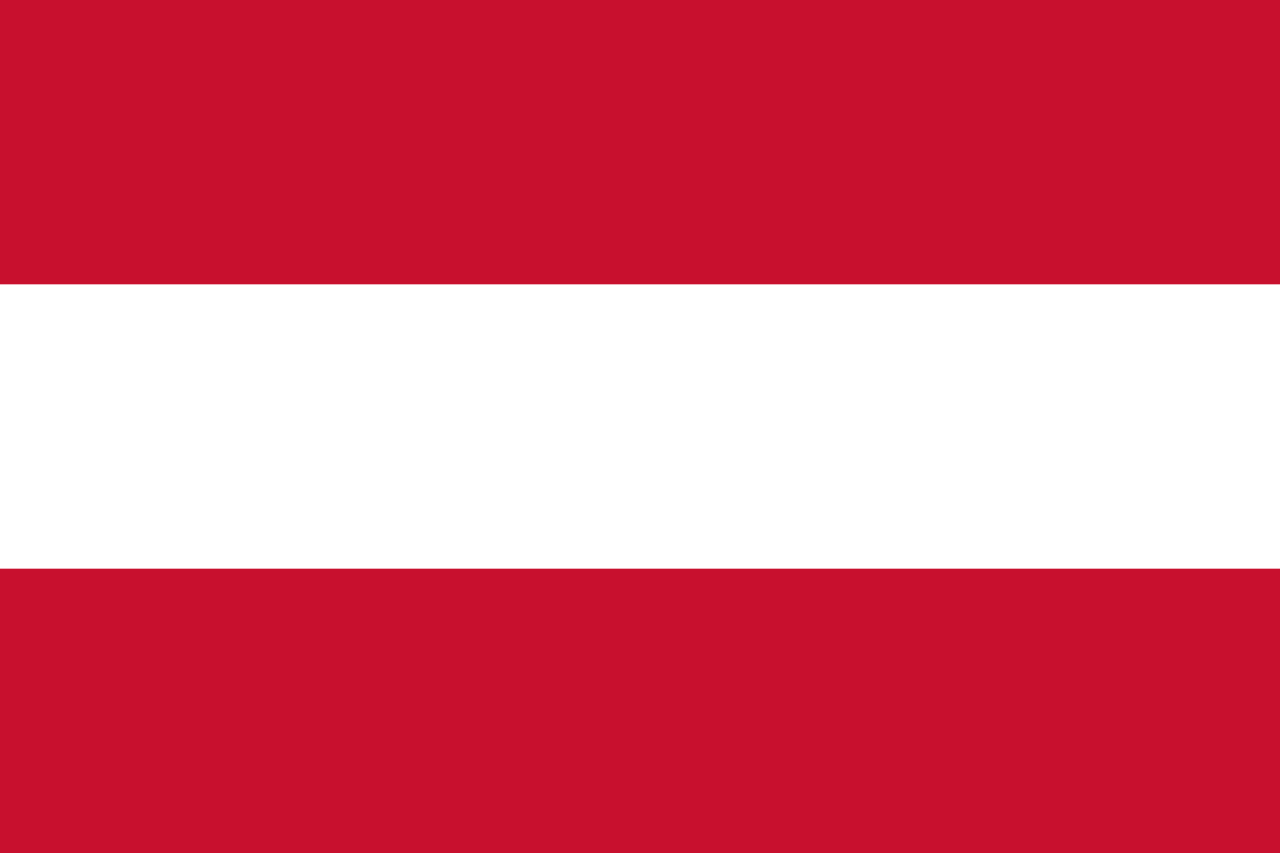
Three horizontal stripes of red, white, and red, representing one of the world's oldest national flag designs, allegedly inspired by Duke Leopold V's blood-stained white surcoat after the Battle of Acre in 1191, and symbolizing the courage, honesty, and strength of the Austrian people.
Luxembourg
Europe
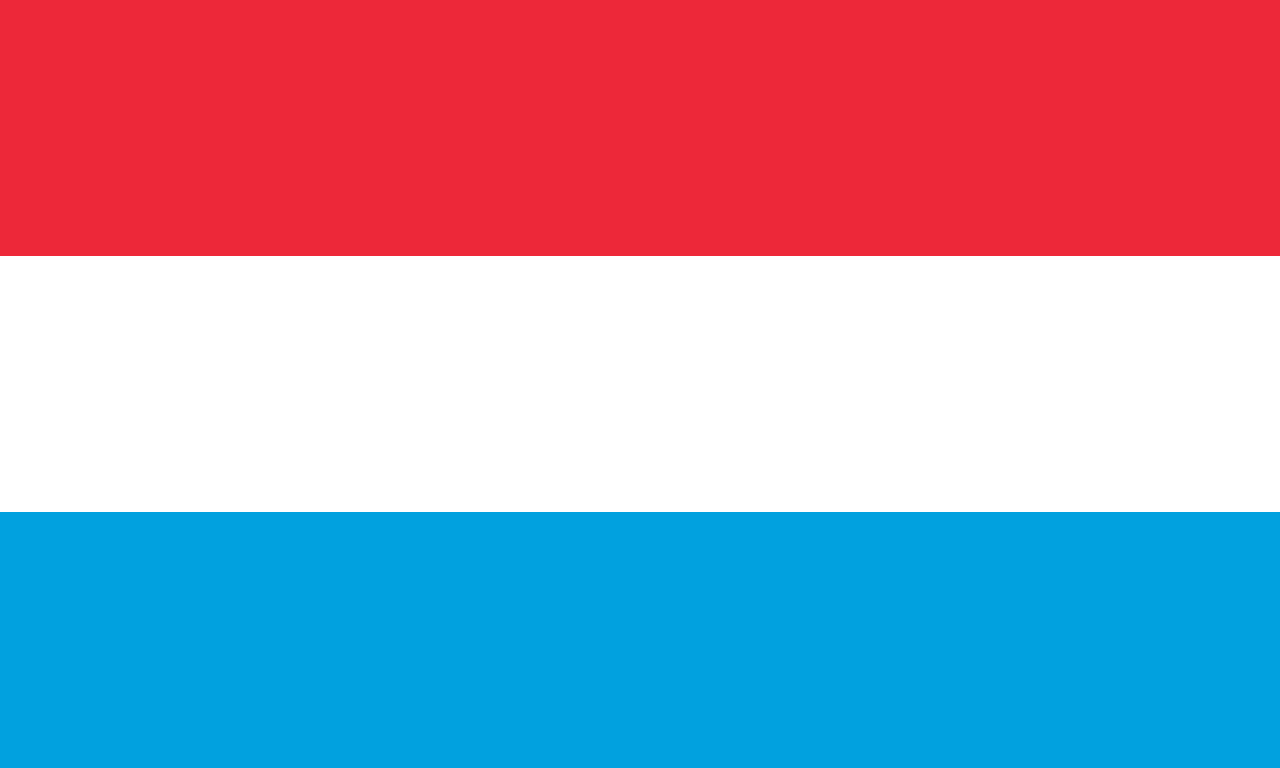
Three horizontal stripes of red, white, and light blue representing the Grand Duchy of Luxembourg, one of Europe's smallest but wealthiest nations and a founding member of the European Union.
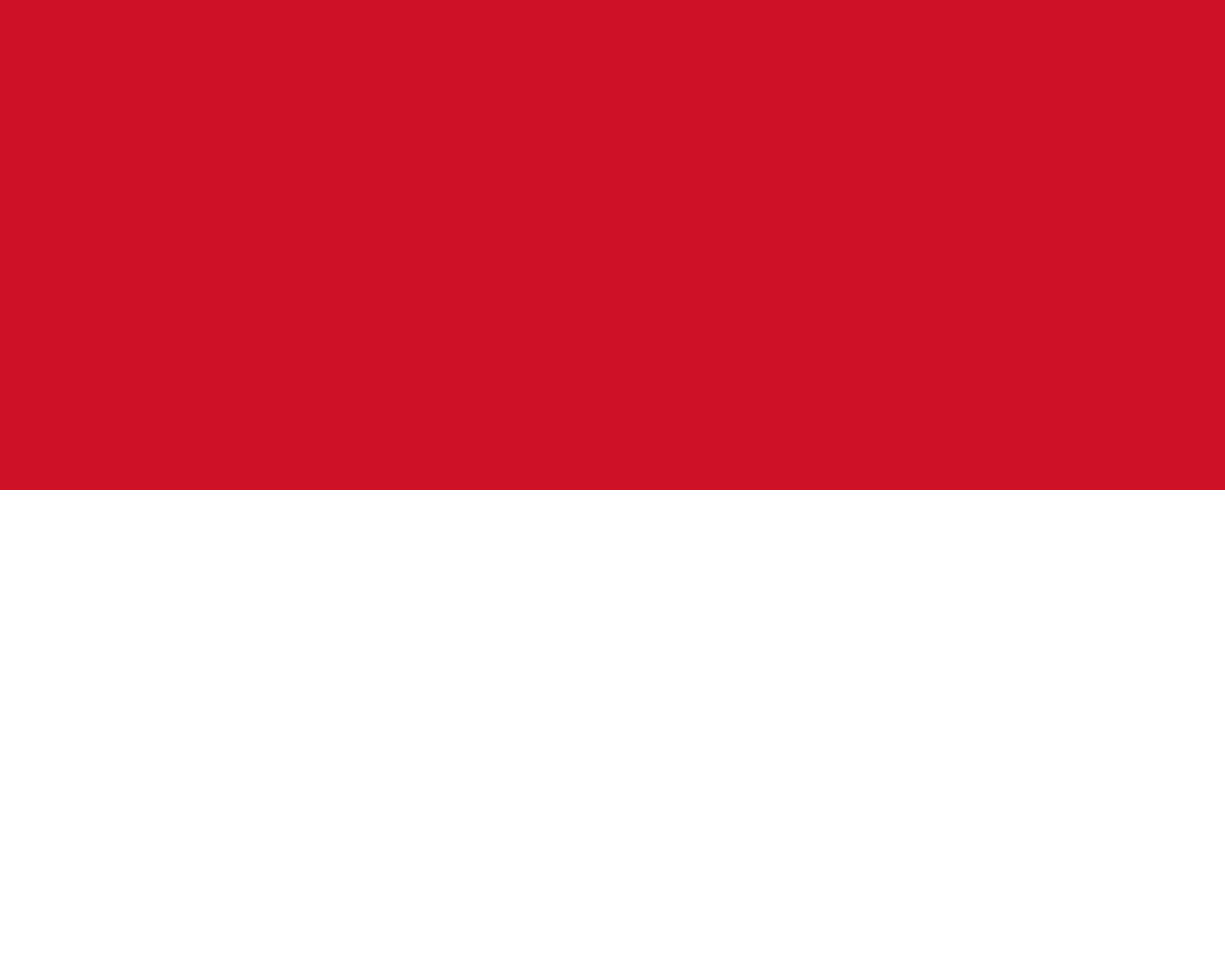
Monaco
Europe
Two horizontal stripes of red and white derived from the heraldic colors of the House of Grimaldi, representing one of the world's smallest sovereign states and oldest ruling dynasties.
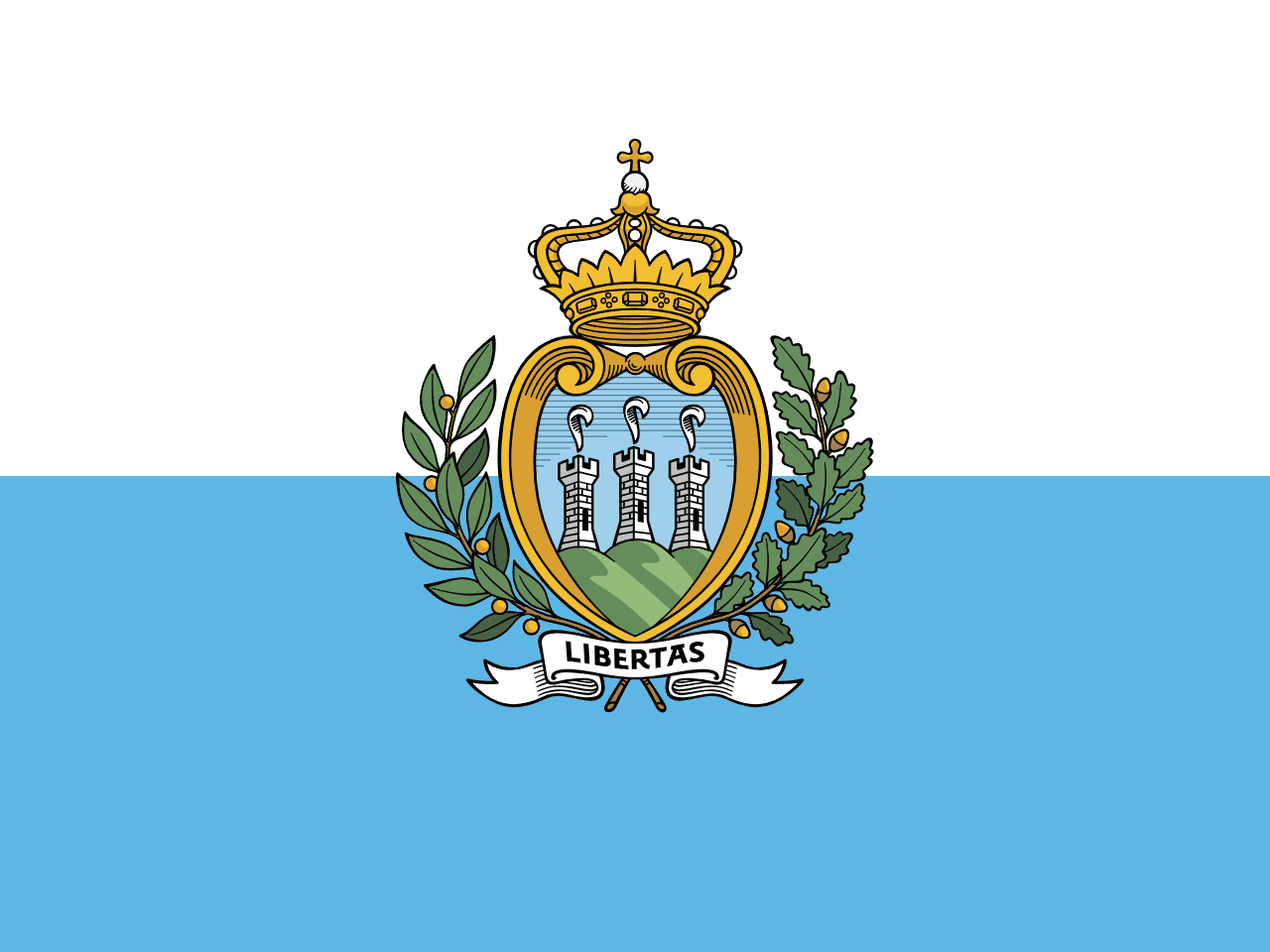
San Marino
Europe
White and light blue horizontal bicolor with coat of arms featuring three towers representing the ancient fortress republic on Mount Titano.
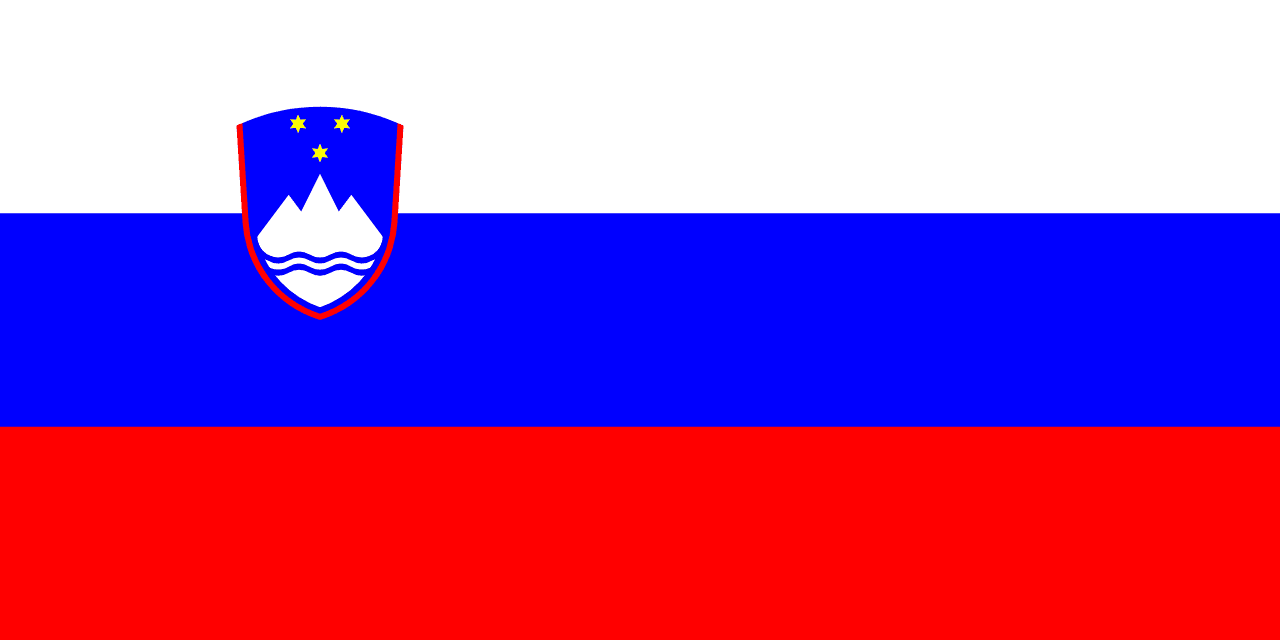
Slovenia
Europe
A horizontal tricolor of white, blue, and red with the Slovenian coat of arms placed toward the hoist in the upper stripe. The coat of arms features Mount Triglav, Slovenia’s highest peak, three six-pointed golden stars, and wavy blue lines representing rivers and the Adriatic Sea.