Bosnia and Herzegovina Flag Meaning
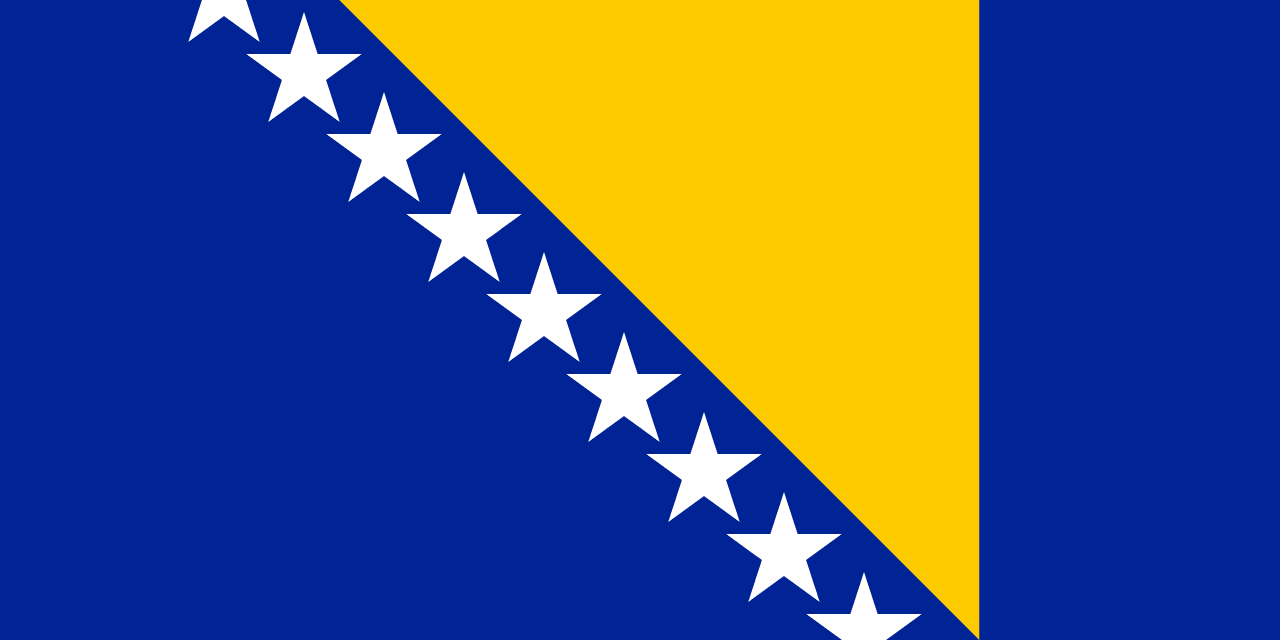
A blue field with a yellow triangle along the hoist and a line of white stars along the triangle's hypotenuse, designed to be ethnically neutral and represent the country's European aspirations while avoiding symbols associated with any particular ethnic group.
- Continent
- Europe
- Adopted
- 1998
- Ratio
- 1:2
- Colors
- blue, yellow, white
- Designer
- Westendorp Commission
Symbolism
- Blue Field
- Represents Europe and Bosnia's aspiration for European integration, chosen as a neutral color that does not favor any of the three main ethnic groups (Bosniaks, Serbs, and Croats) in the country.
- Yellow Triangle
- Represents the approximate geographical shape of Bosnia and Herzegovina and symbolizes equality among the three constituent peoples, with its three sides representing the three main ethnic groups.
- White Stars
- Originally intended to continue infinitely to represent hope and the boundless aspirations of the people, with the visible stars symbolizing Europe and the desire for Euro-Atlantic integration.
- Overall Design
- Deliberately avoids traditional Bosnian, Serbian, or Croatian symbols to serve as a neutral flag for all citizens regardless of ethnicity, religion, or cultural background in the multi-ethnic state.
History
- Medieval Period: The medieval Bosnian Kingdom flourished under rulers like Ban Kulin and King Tvrtko I, developing a unique identity that blended Catholic, Orthodox, and Bogomil religious influences.
- 1463-1878: Ottoman conquest brought Islam to Bosnia, creating a unique multi-religious society where many Slavs converted to Islam, becoming known as Bosniaks, while others remained Christian.
- 1878-1918: Austro-Hungarian administration modernized Bosnia with railways, schools, and industry while maintaining religious diversity, but also fostering competing national consciousness among Slavic peoples.
- June 28, 1914: Archduke Franz Ferdinand was assassinated in Sarajevo by Gavrilo Princip, a Bosnian Serb nationalist, triggering World War I and the collapse of Austria-Hungary.
- 1918-1941: Bosnia became part of the Kingdom of Yugoslavia under Serbian dominance, with growing tensions between centralist Serbian policies and autonomist Croatian and Bosnian aspirations.
- 1941-1945: World War II brought horrific ethnic violence as the Nazi-allied Ustasha regime in Croatia persecuted Serbs, Jews, and Roma, while communist Partisans fought for a multi-ethnic Yugoslavia.
- 1945-1980: Socialist Yugoslavia under Josip Broz Tito established Bosnia and Herzegovina as one of six republics, promoting 'Brotherhood and Unity' while suppressing ethnic nationalism.
- 1980-1990: After Tito's death, economic crisis and rising nationalism led to the breakdown of Yugoslavia as republican leaders increasingly appealed to ethnic constituencies.
- March 3, 1992: Bosnia declared independence following a referendum boycotted by most Serbs, leading to immediate armed conflict as Bosnian Serb forces, backed by Serbia, sought to create ethnically pure territories.
- 1992-1995: The Bosnian War resulted in approximately 100,000 deaths and 2 million refugees, with widespread ethnic cleansing, mass rape, and genocide, particularly the 1995 Srebrenica massacre.
- December 14, 1995: The Dayton Peace Agreement ended the war, creating a complex federal structure with two main entities: the Federation of Bosnia and Herzegovina and Republika Srpska.
- February 4, 1998: The current flag was imposed by the High Representative after political leaders failed to agree on a design, creating a neutral symbol to replace the controversial lily flag.
- 2003-Present: Bosnia has struggled with political dysfunction due to its complex constitutional structure, while pursuing EU membership and dealing with war crimes prosecution and reconciliation efforts.
Trivia
- Bosnia and Herzegovina has one of the most complex government structures in the world, with a rotating three-member presidency representing each major ethnic group.
- The flag was designed by foreigners because local politicians could not agree on a design, making it one of the few national flags created by international intervention.
- Sarajevo hosted the 1984 Winter Olympics and was known as a cosmopolitan, multi-ethnic city before the 1992-1996 siege, one of the longest in modern warfare history.
- The country is roughly triangular in shape, which the yellow triangle on the flag represents, with a small coastline of only 20 kilometers along the Adriatic Sea.
- Bosnian, Croatian, and Serbian are all official languages, though they are essentially the same language with different scripts and some vocabulary differences.
- The flag represents a country where about 50% are Bosniaks (Muslims), 31% are Serbs (Orthodox), and 15% are Croats (Catholic), making it one of Europe's most religiously diverse nations.
- Mostar's Old Bridge, destroyed during the war and rebuilt, is a UNESCO World Heritage site symbolizing reconciliation and the country's Ottoman architectural heritage.
- Bosnia has a rich coffee culture inherited from the Ottoman period, with traditional Bosnian coffee preparation being an important social ritual.
- The country sits at the crossroads of Central and Southeast Europe, creating a unique blend of Ottoman, Austro-Hungarian, and Yugoslav influences in its culture.
- Traditional music includes sevdalinka, melancholic folk songs that reflect the complex history and multicultural heritage of the region.
- Bosnia and Herzegovina is known for its natural beauty, including the Dinaric Alps, pristine rivers like the Neretva and Una, and medieval towns like Jajce and Počitelj.
- The flag flies over a country still dealing with war legacy issues, including war crimes trials, missing persons, and the challenge of building a shared national identity.
- Ćevapi, small grilled meat sausages served with bread and onions, is considered the national dish and reflects the Turkish culinary influence on Bosnian cuisine.
- The country has struggled economically since the war, with high unemployment and emigration, particularly among young people seeking opportunities abroad.
- Despite political challenges, Bosnia has a vibrant civil society and cultural scene, with Sarajevo remaining an important cultural center in the Balkans.
Related Countries
Austria
Europe
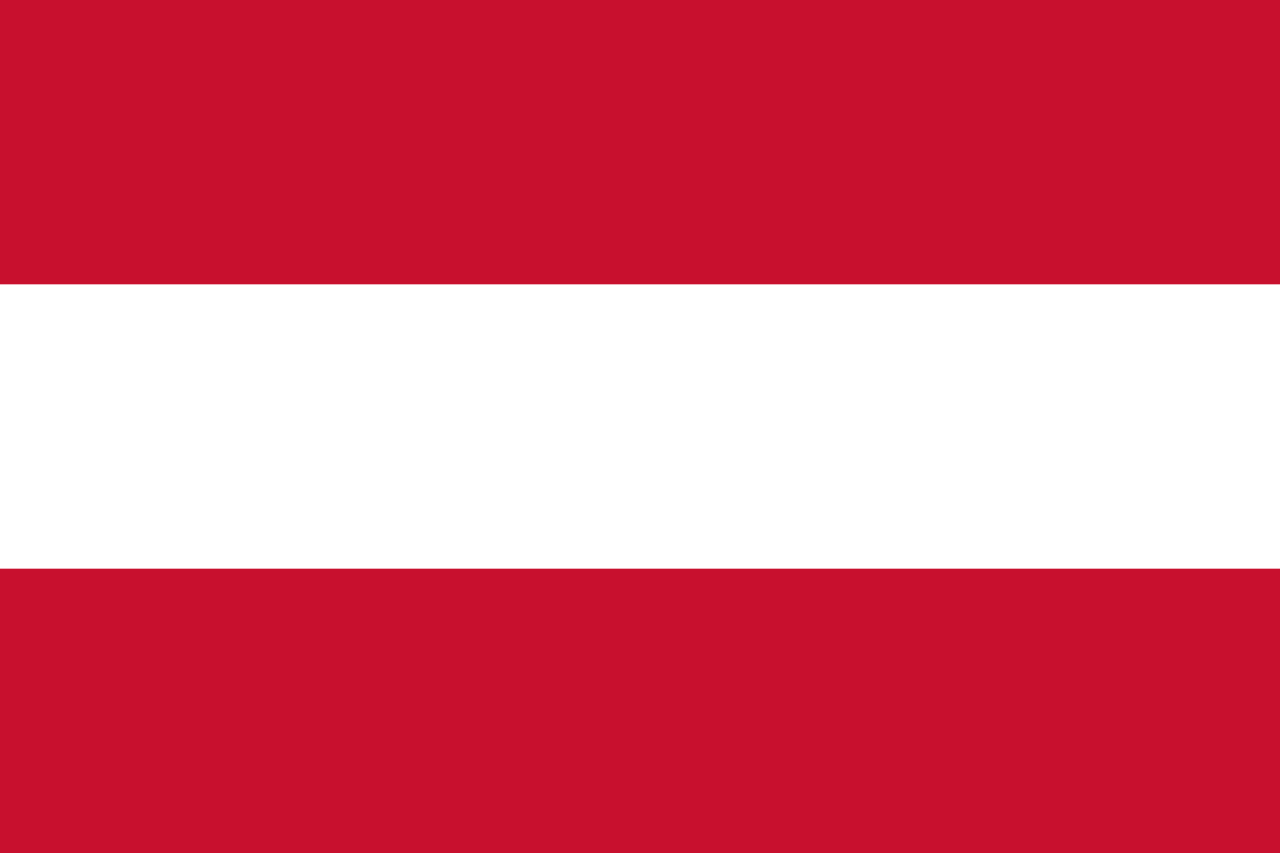
Three horizontal stripes of red, white, and red, representing one of the world's oldest national flag designs, allegedly inspired by Duke Leopold V's blood-stained white surcoat after the Battle of Acre in 1191, and symbolizing the courage, honesty, and strength of the Austrian people.
Bulgaria
Europe
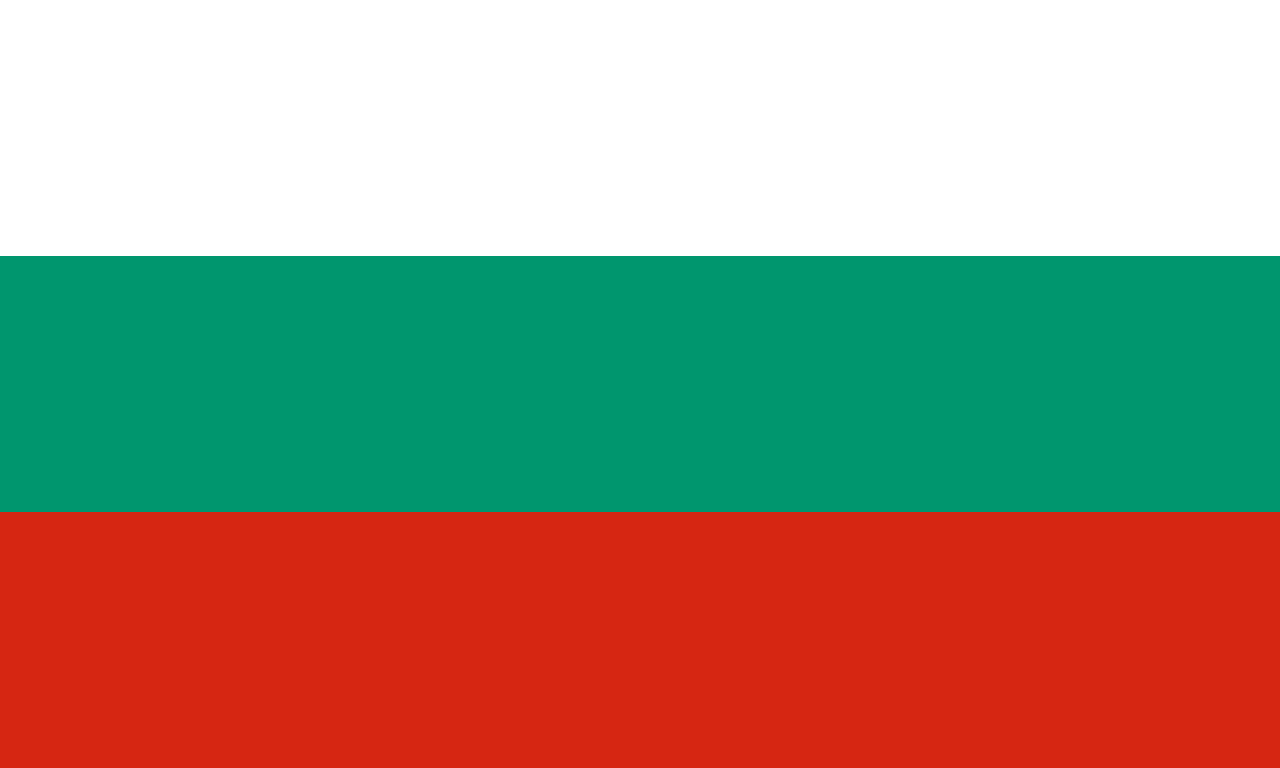
Three horizontal stripes of white, green, and red representing peace and freedom, the agricultural wealth of the nation, and the courage and blood of Bulgarian patriots who fought for independence.
Slovakia
Europe
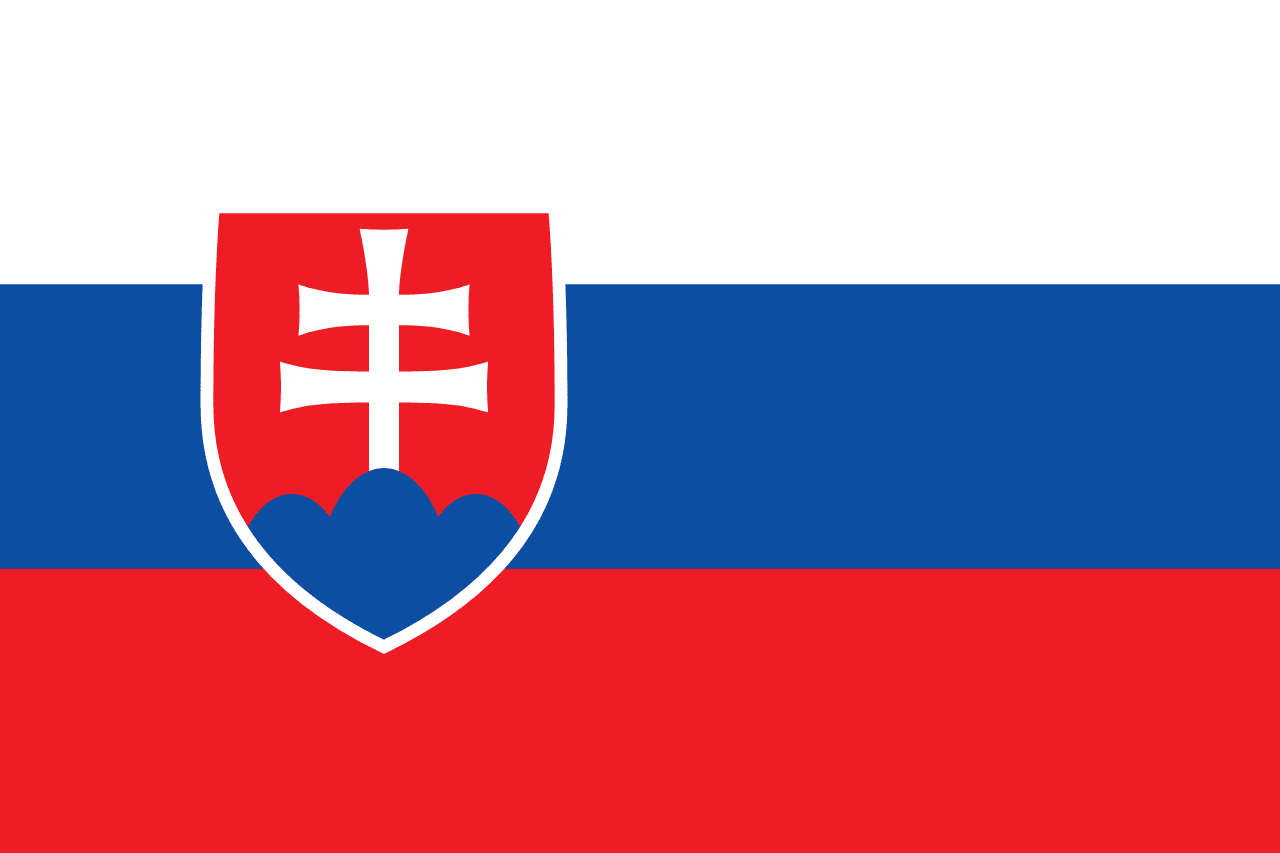
A horizontal tricolor of white, blue, and red with the Slovak coat of arms placed toward the hoist. The coat of arms features a double silver cross rising from three blue hills, symbolizing Christianity and Slovakia’s mountainous landscape.
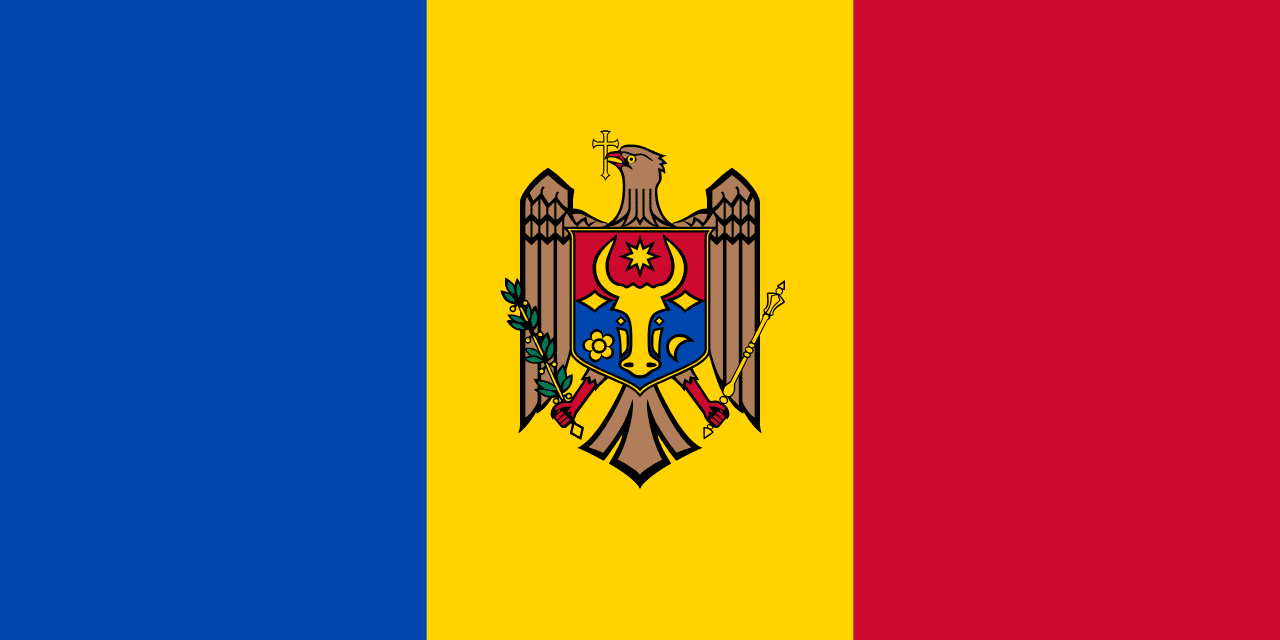
Moldova
Europe
Three vertical stripes of blue, yellow, and red with the national coat of arms centered on the yellow stripe, representing Moldova's emergence from Soviet rule and its historical connections to Romanian heritage and European identity.
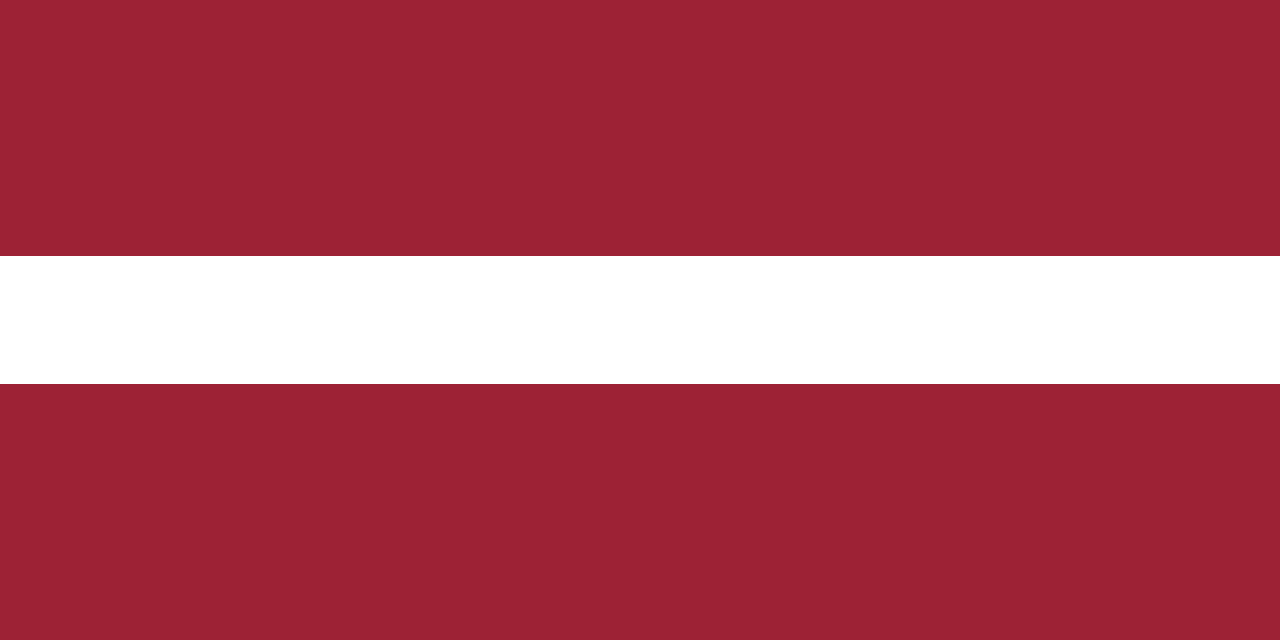
Latvia
Europe
Three horizontal stripes with dark red (maroon) stripes on top and bottom and a narrow white stripe in the center, representing one of the world's oldest flag designs dating back to medieval times and Latvia's struggle for independence.
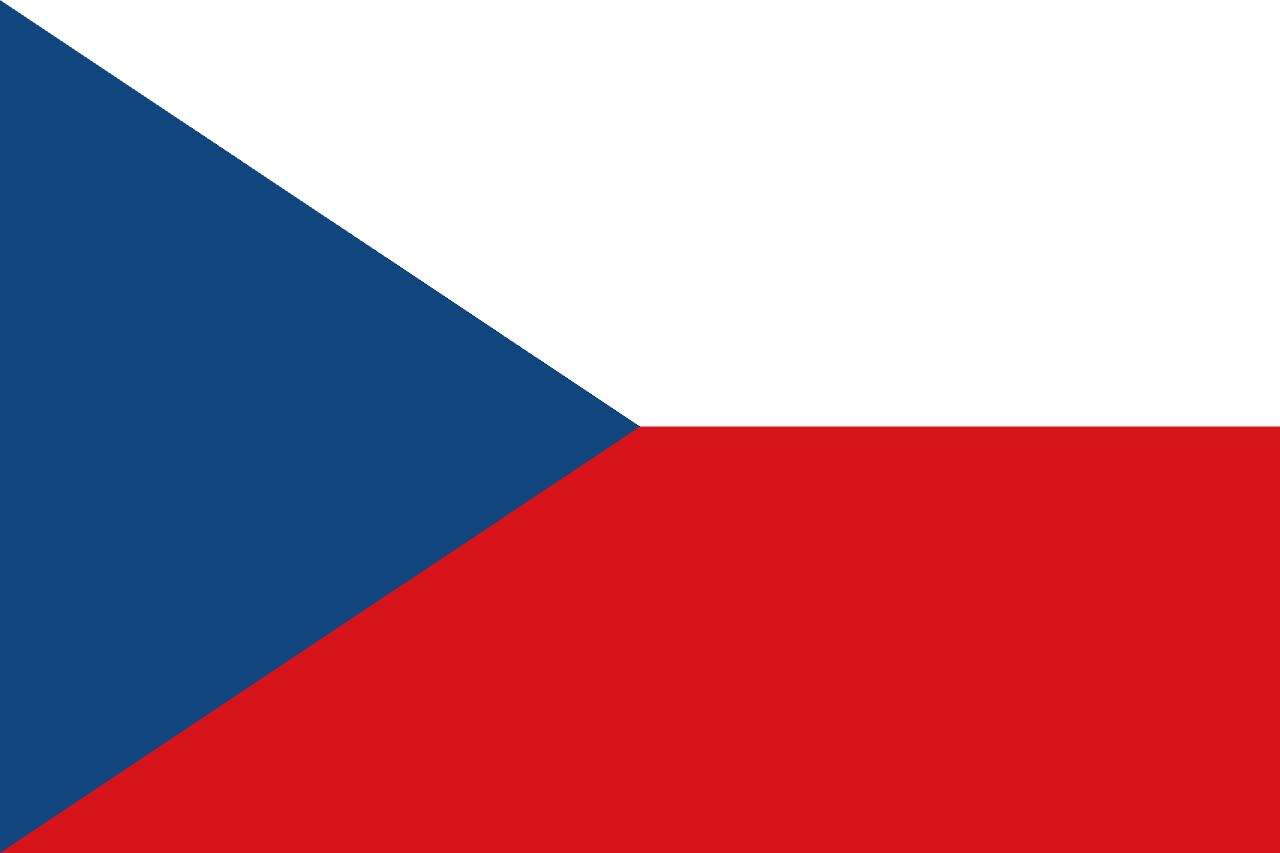
Czech Republic
Europe
Two horizontal stripes of white over red with a blue triangle extending from the hoist, combining Bohemian colors with Moravian blue, representing the historical lands and democratic ideals of the Czech nation.